Author: wp36110877

  • changing moment.

    changing moment.

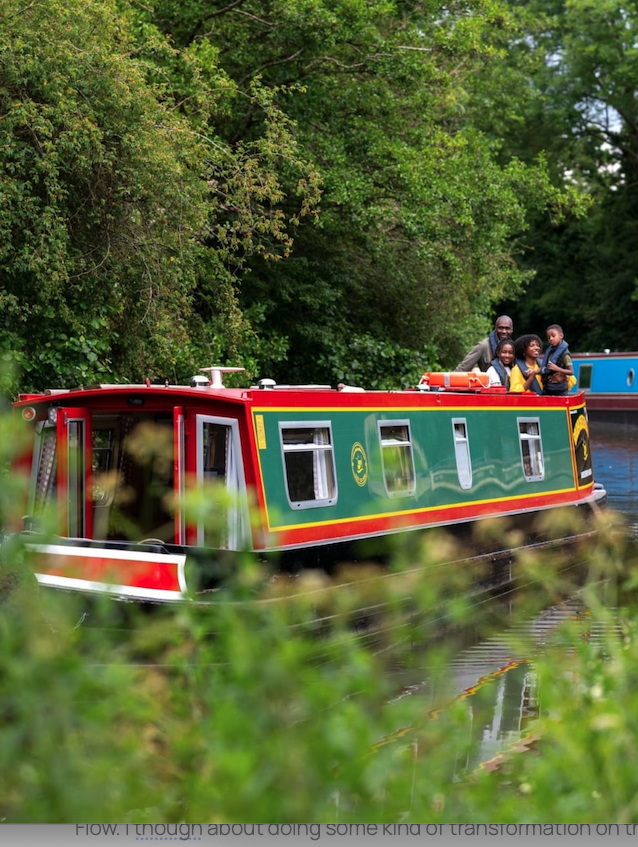
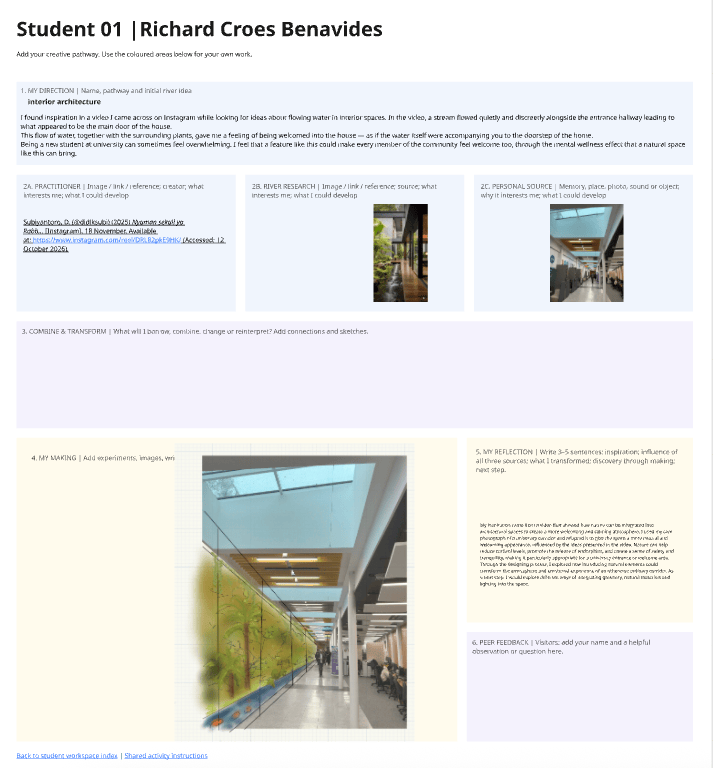
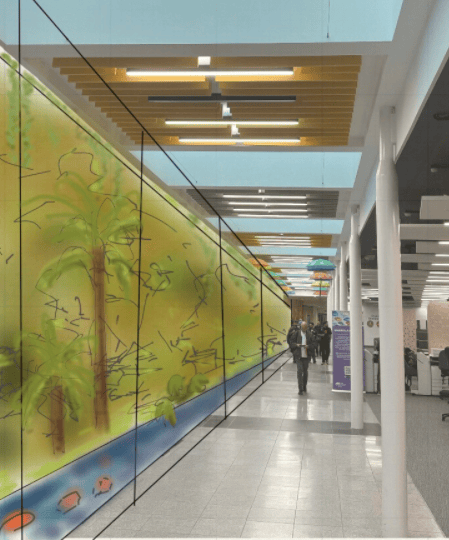
    When it was required for us to choose a project related to Rivers and Flow. I though about doing some kind of transformation on the UWL campus to add some kind of street on it and a reflect about green architecture included on our university.

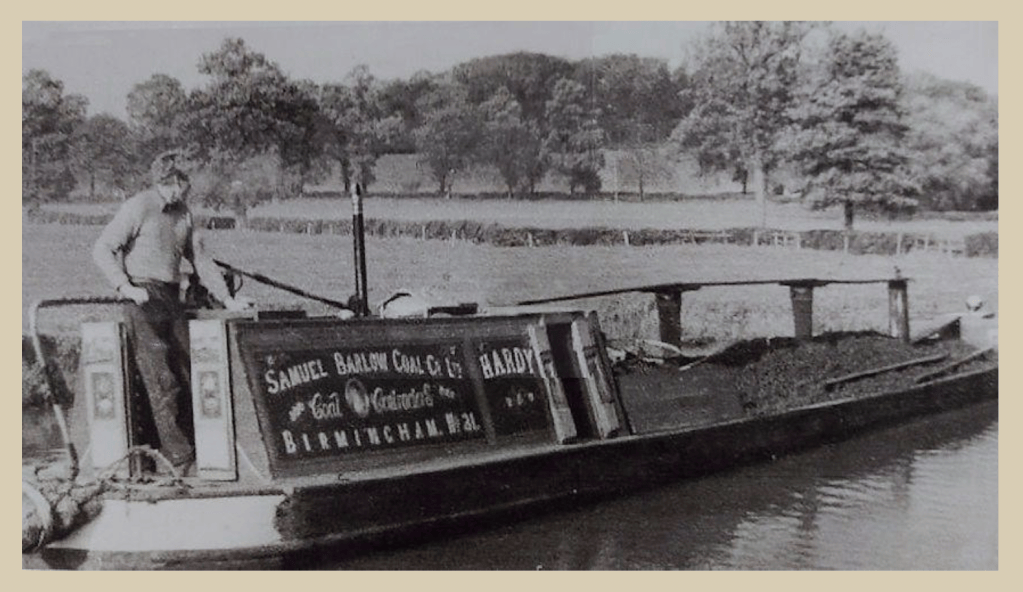
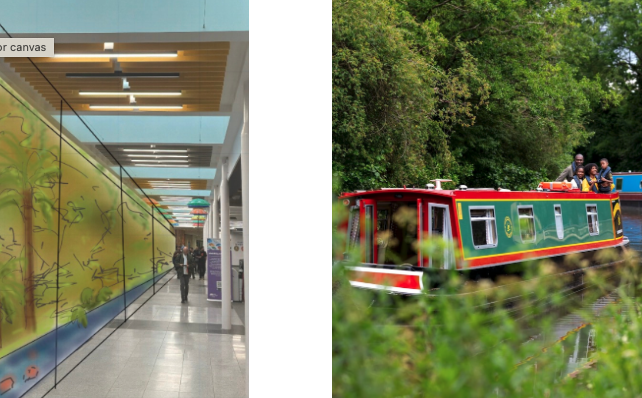
    even thought it could’ve brought some interesting points in to the table, after reflecting on what was we expect of us on the assignment requirements, I found that an analysis on the past present and posible future of narrowboats under what I could reflect on its future needs on London canals, could provide a richer conclusion since my input could help come ultimately with different ideas, considering not jus architectural aspects of use in the future, but also the social aspect of it. why people live on botas, can help understand what can they expect of them in the future.

    so basically, giving a second reading to Personalised Learning Student Assessment Brief, and learning better what is expected of us as foundation year students at this assignment, made me see that chanting my approach of the project could bring out more expected characteristics from our analysis.

  • Sunny London

    Sunny London

    River Collage

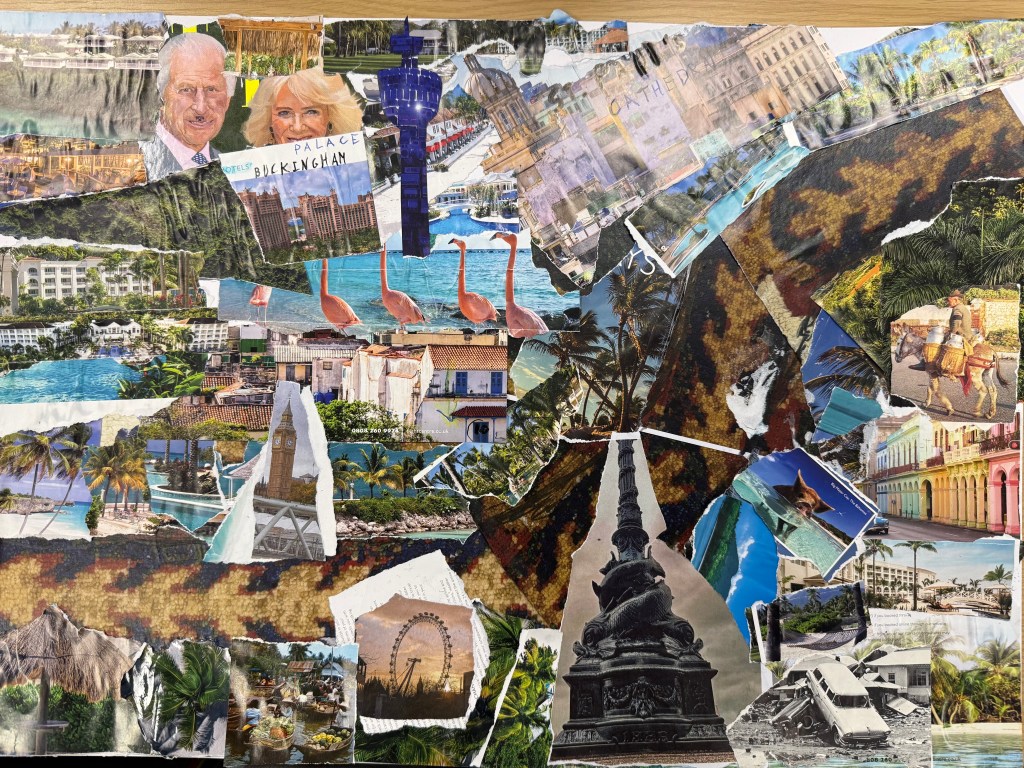
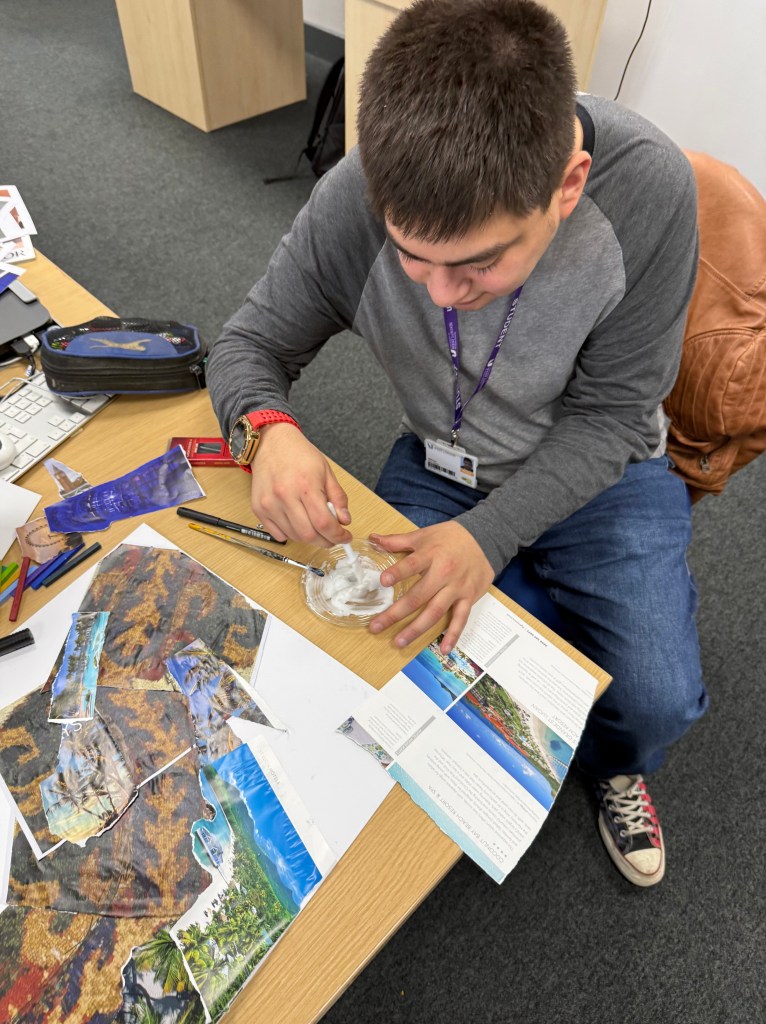
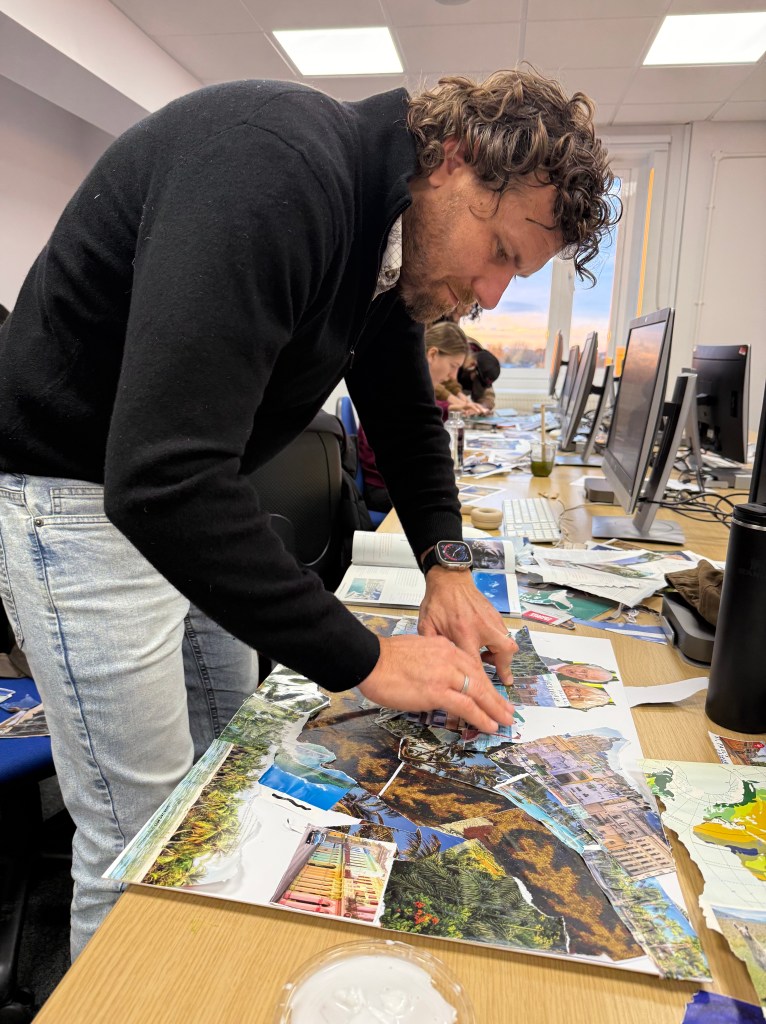
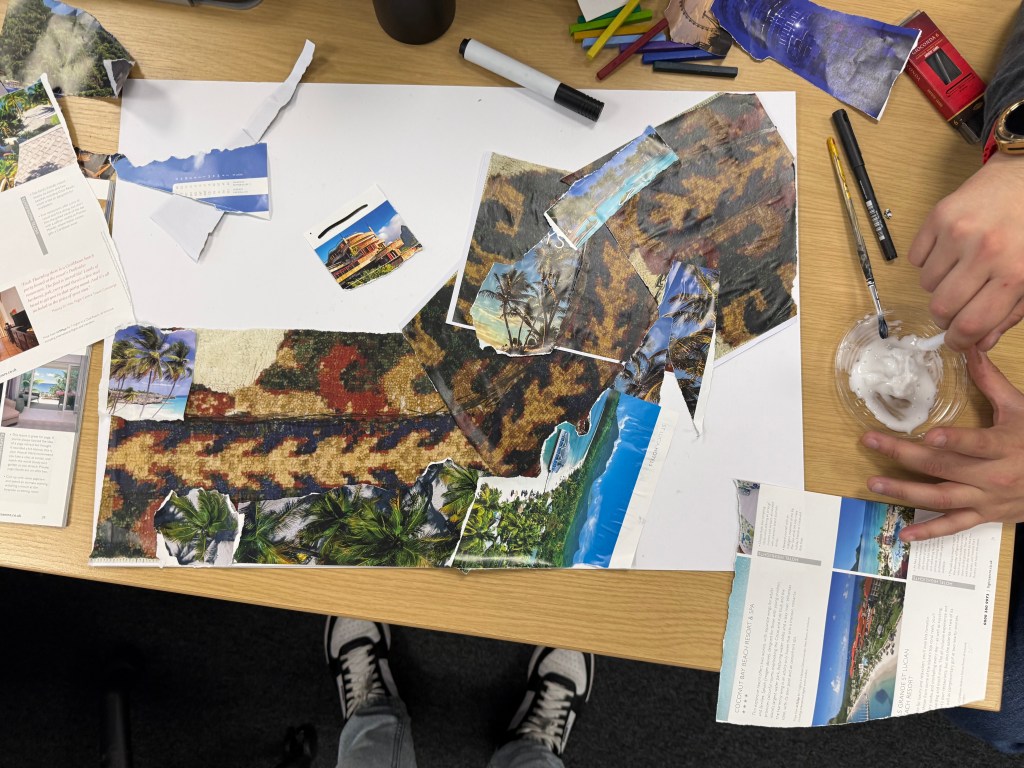
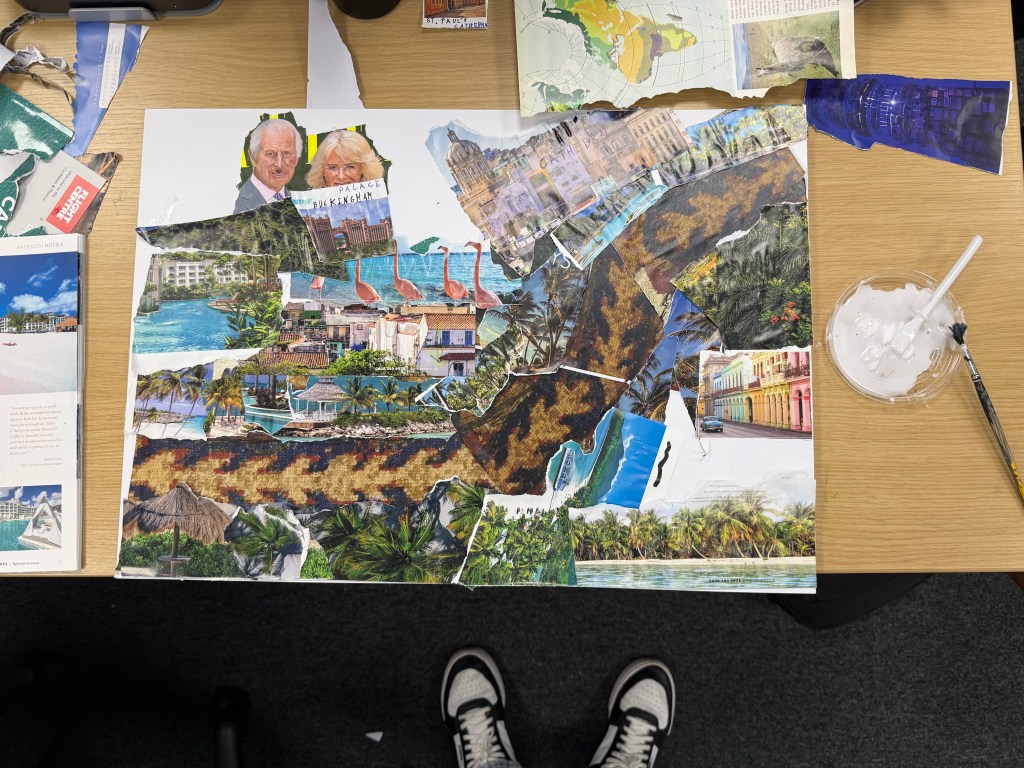
    On Contextual Studies this week (20/11/2026) we did a creative exercise, making a collage out of different published materials, pictures taken by ourselves on our trip to the Tate Museum and our river walk on the Thames last Wednesday, and pictures of an antique Persian rug that we were also able to see that day.

    This activity was done in pairs, and in our case it was made by Jefferson and myself.

    Here we decided to show a different and creative version of London — more tropical and sunny. It reminds me of my country, Venezuela, on the coast of the Caribbean Sea.

    We made the river out of a design pattern from the rug, remarking that the river is the oldest piece in this composition, reminding us of all the history this river holds in its waters, regardless of the outcome we see today on its skyline. We then displayed pictures of different books and magazines to create this “Caribbean London” around it.

    We also gave some iconic Caribbean buildings space, replacing iconic London landmarks like Buckingham Palace and St Paul’s Cathedral, and also added some pictures taken by our group on our river walk and at the museum, of real London landmarks, to remark on London’s identity.

    A nice example is the representation of the BT Tower made out of the Tate Modern piece “Babel” by Cildo Meireles. It reminds us of the power and dangers of communication, especially in the age of social media that we live in. Communications are now so personalised that the perception of the world, focused on a specific angle, can — like a kaleidoscope — create completely different images for every person, as if we were living in completely different and parallel realities.

  • The Gerberette – My Object at the Design Museum

    The Gerberette – My Object at the Design Museum

    click on the title for content.

    the making of….

    work in progress.

    (photo: Richard Croes Benavides, 2026)

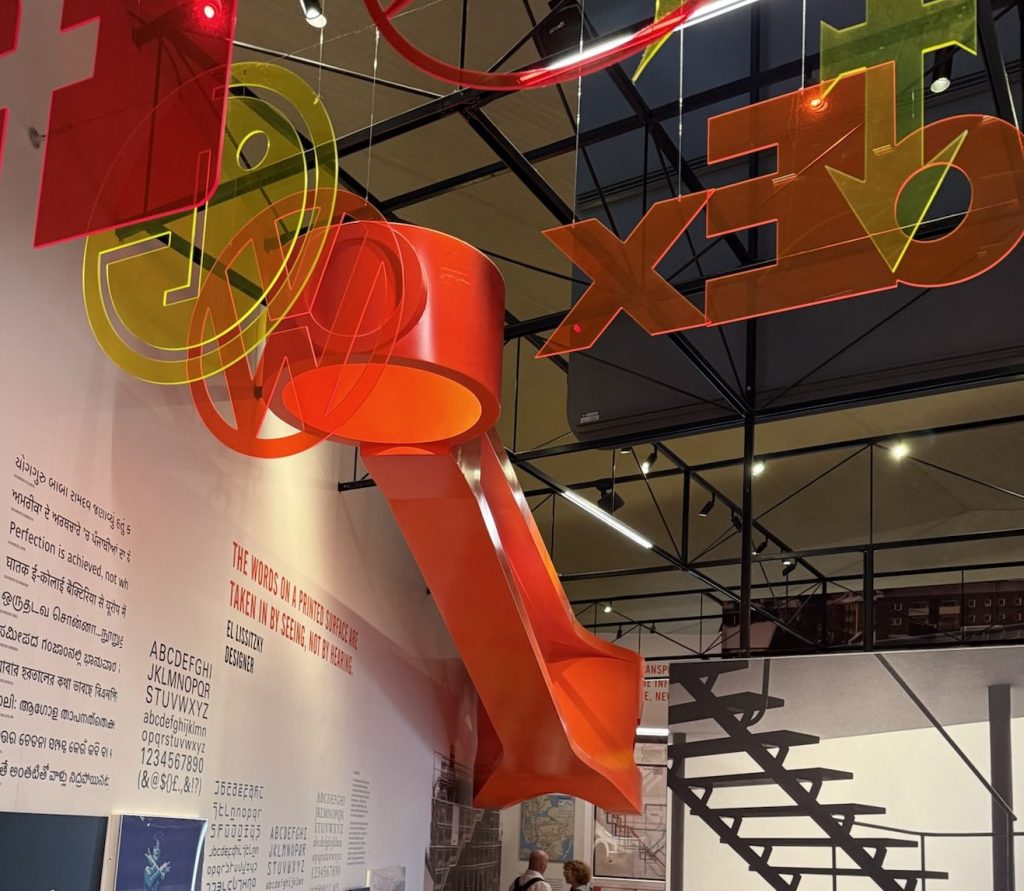
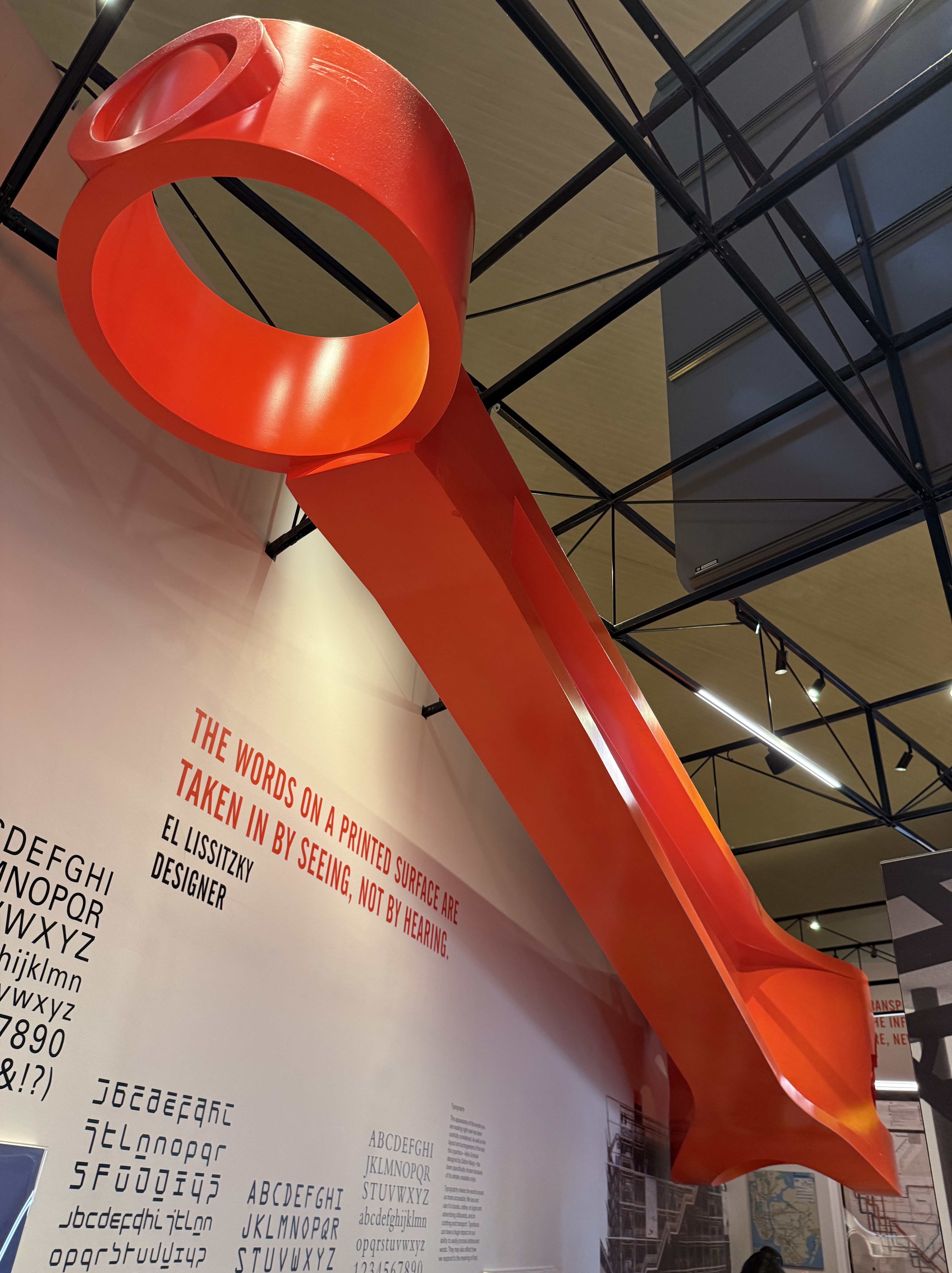
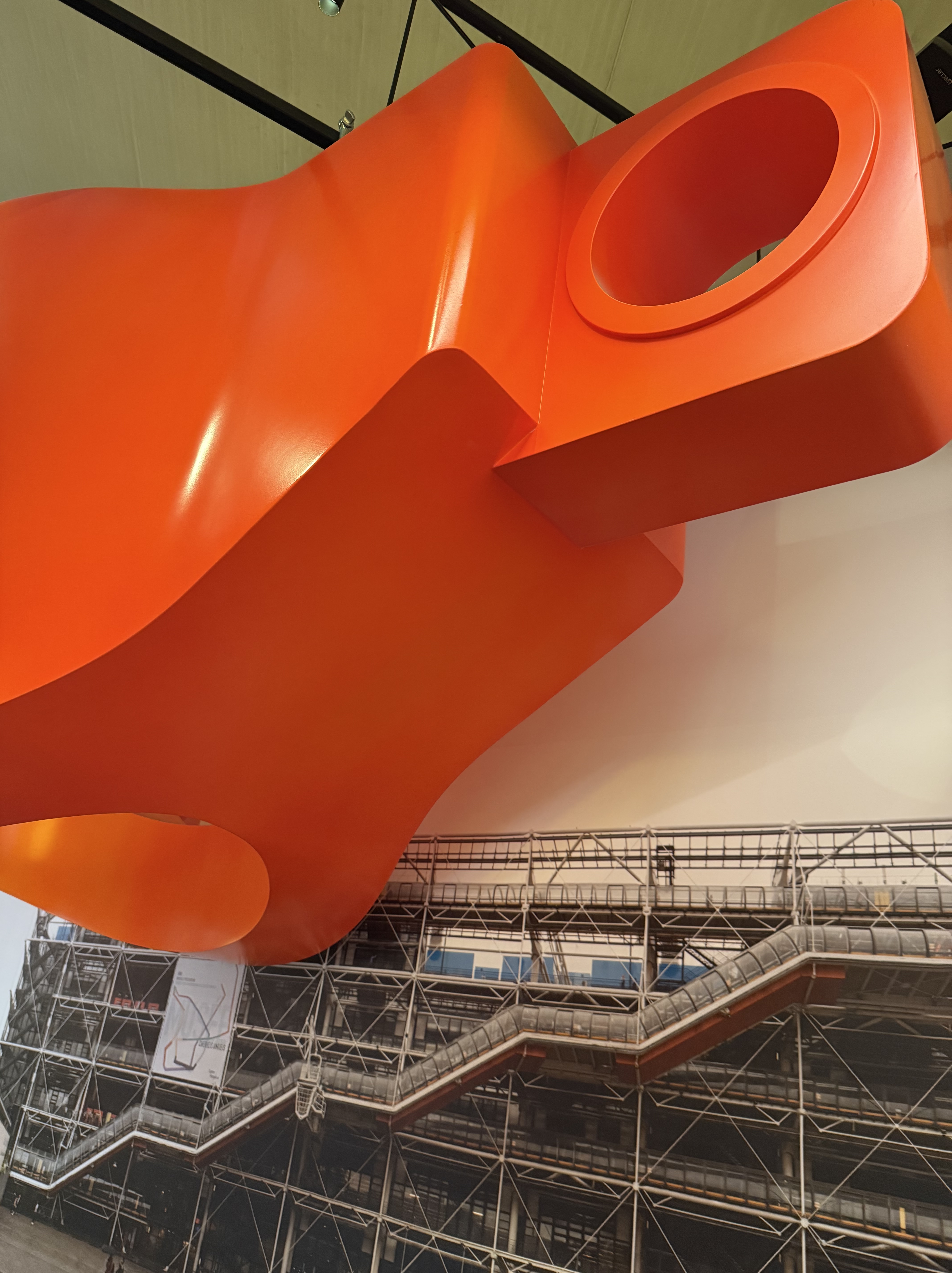
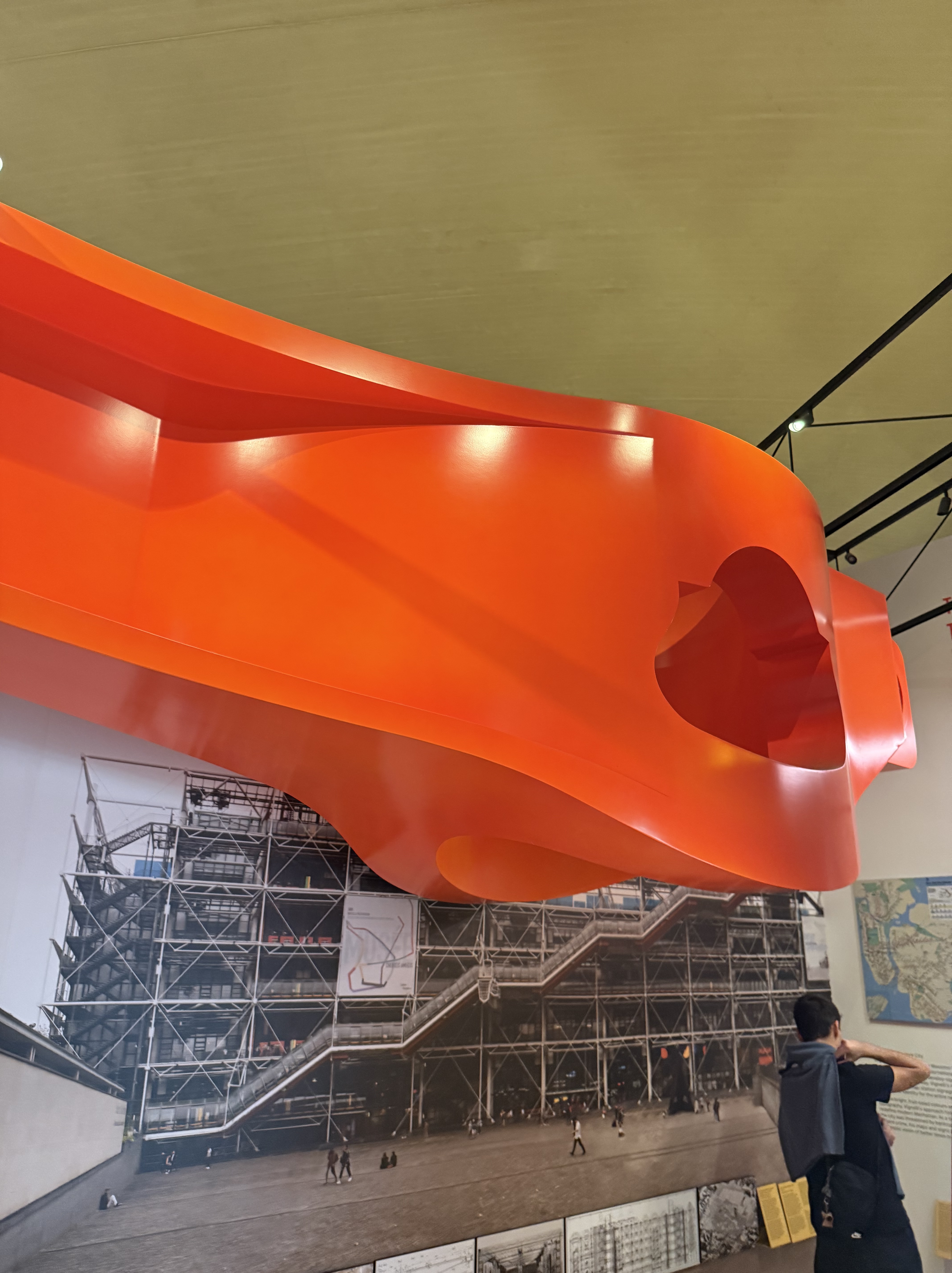
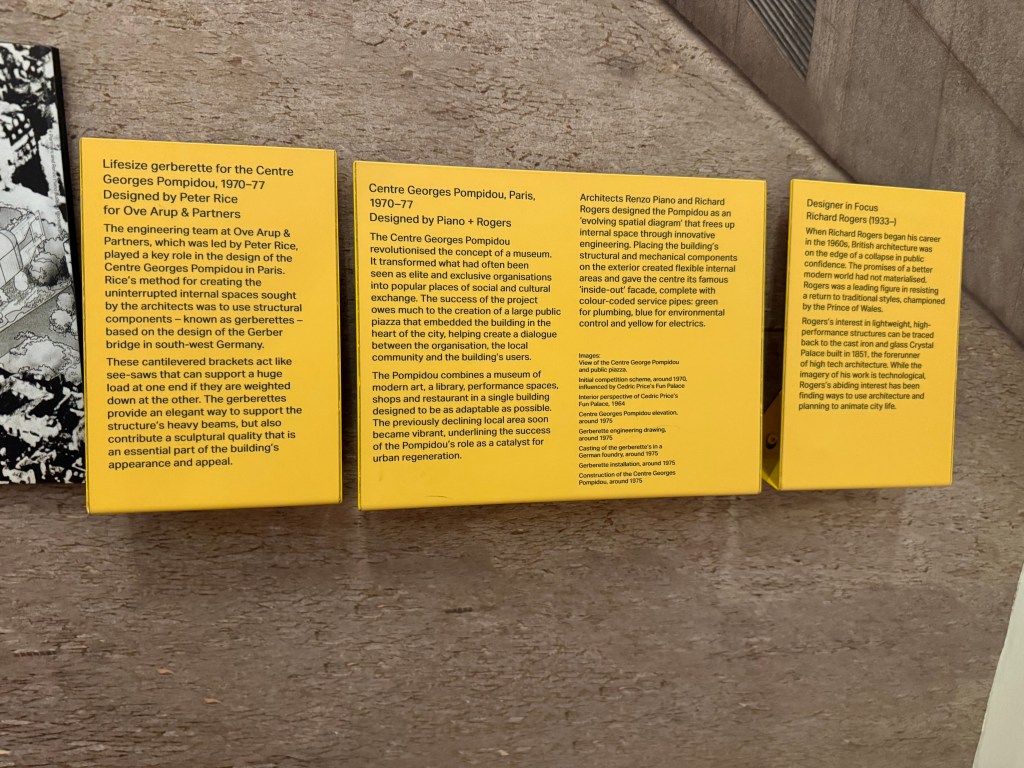
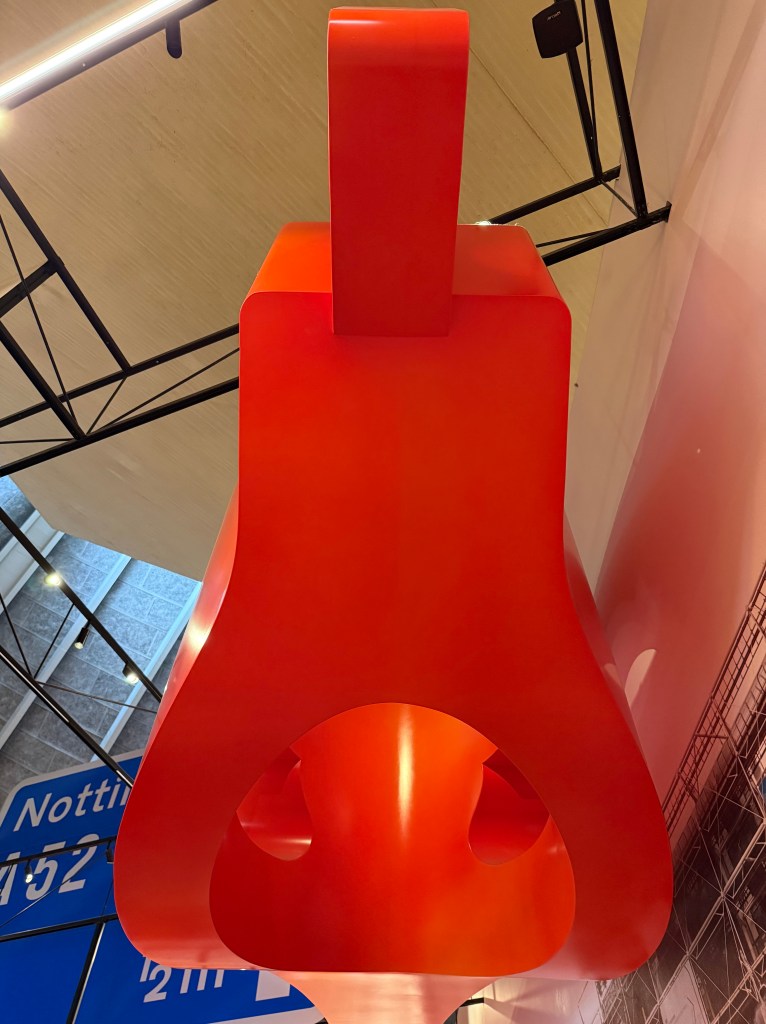
    The object I have chosen is a very iconic architectural piece of an iconic building in an iconic architectural city. The Gerberette, designed by engineer Peter Rice, is a very prominent beam in the Pompidou Museum in Paris, France. Completed in 1977 (Renzo Piano Building Workshop, n.d.), it was commissioned by architects Renzo Piano, Richard Rogers and Gianfranco Franchini. At the same time, this approach expressed a new way to see museums: it made them more modern, honest and welcoming to people. I find that by exposing its inner structure, it invites, not just as metaphor but with simplicity, to explore what is exposed within its space.

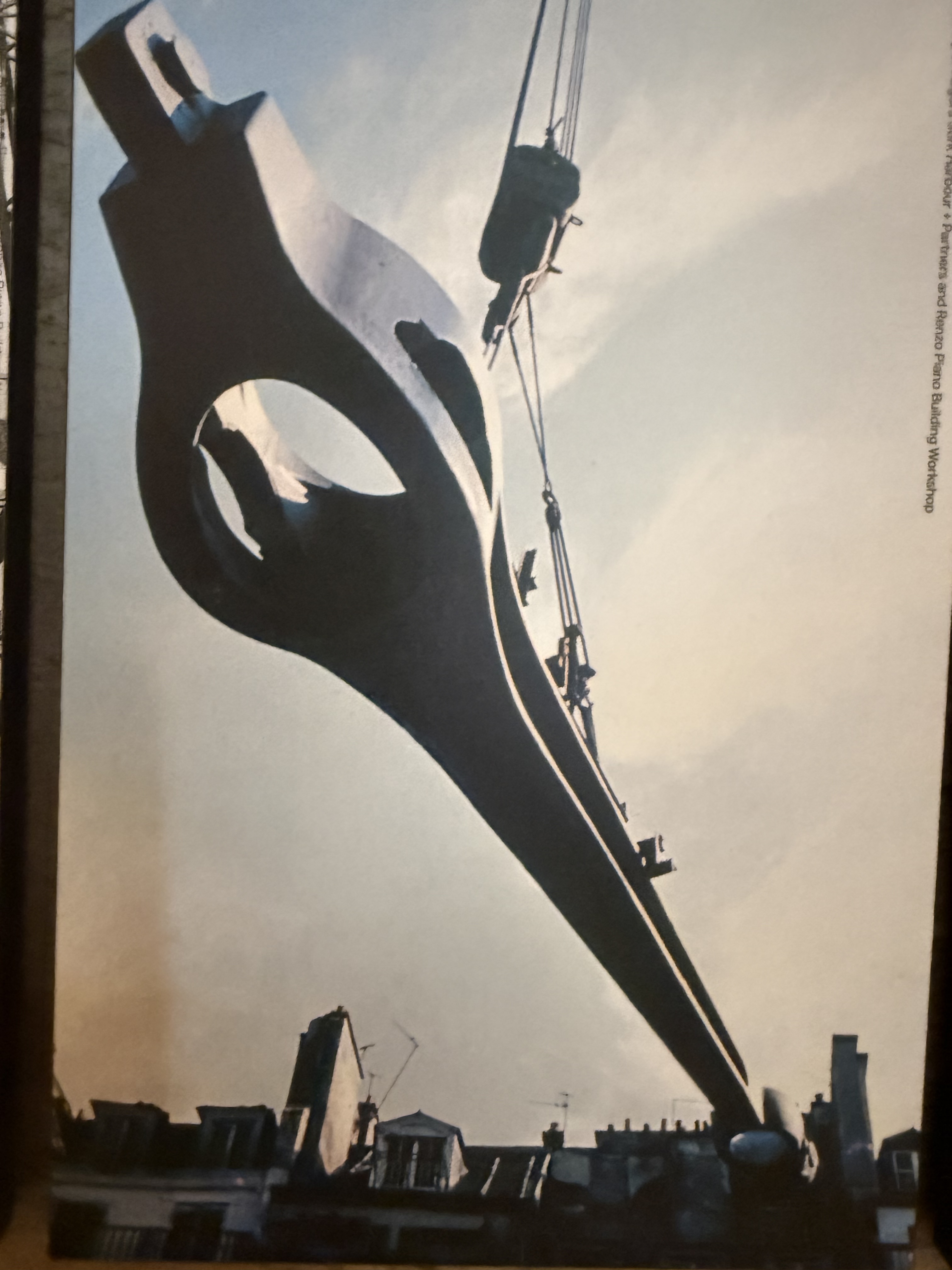
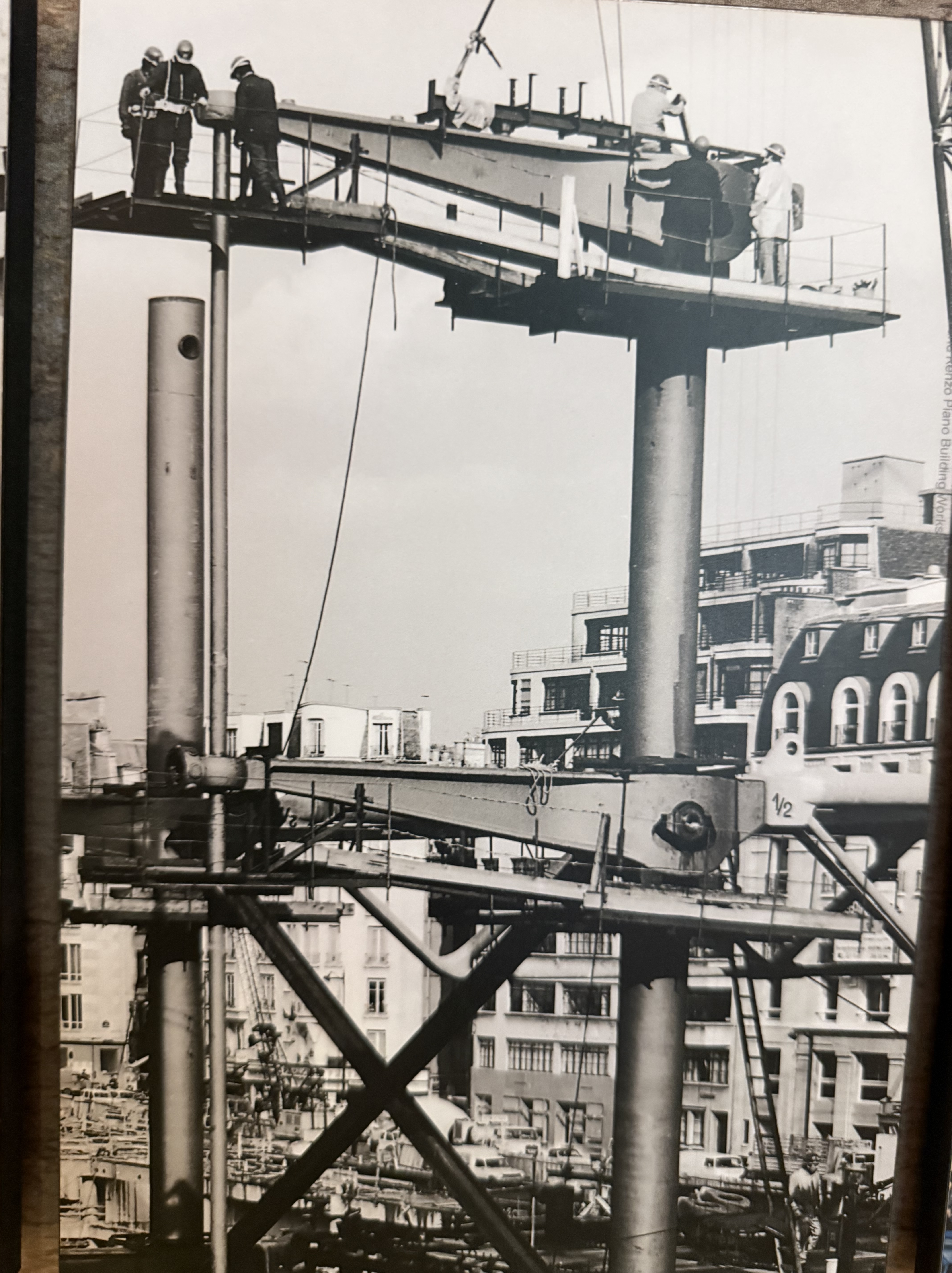
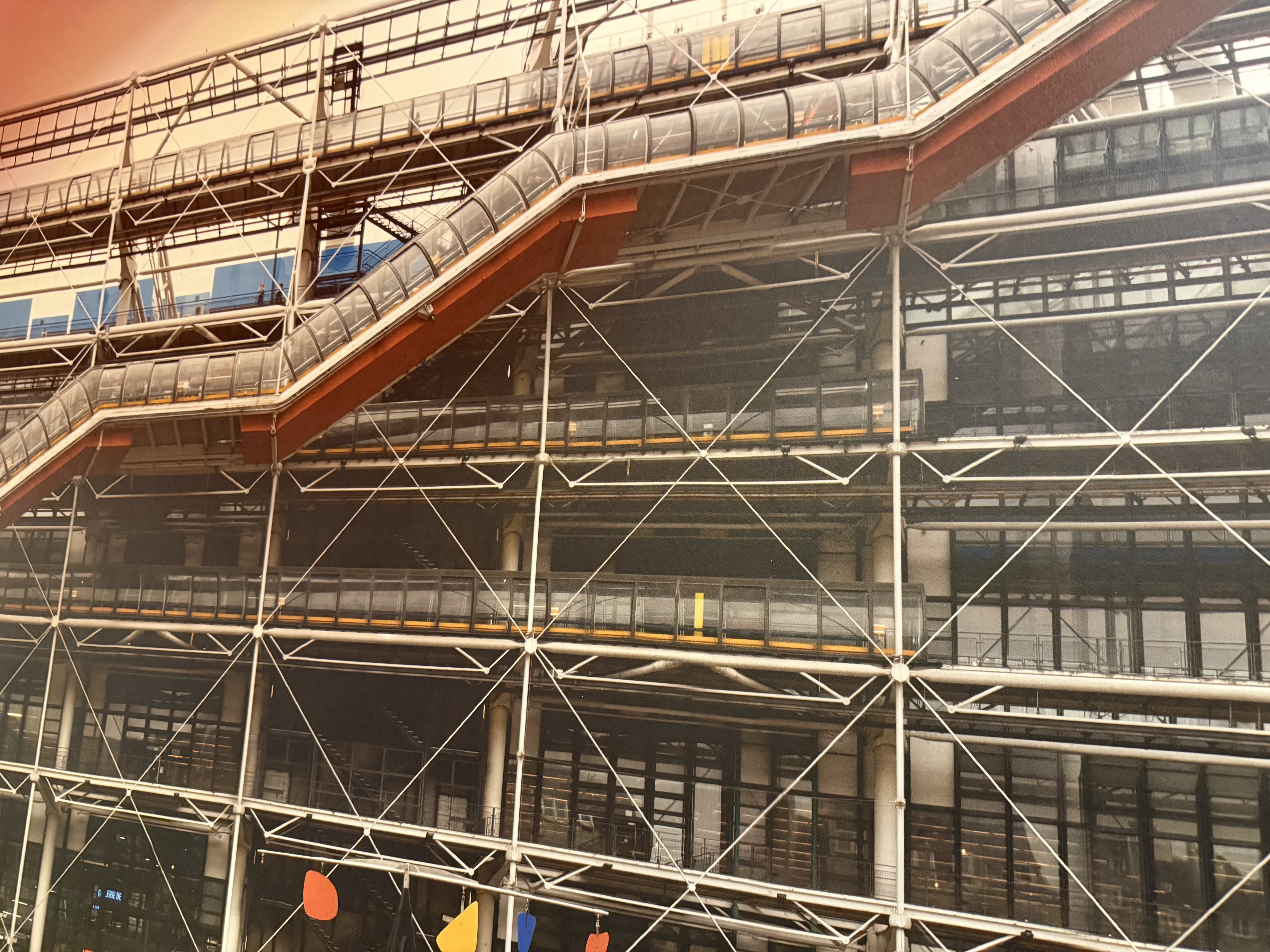
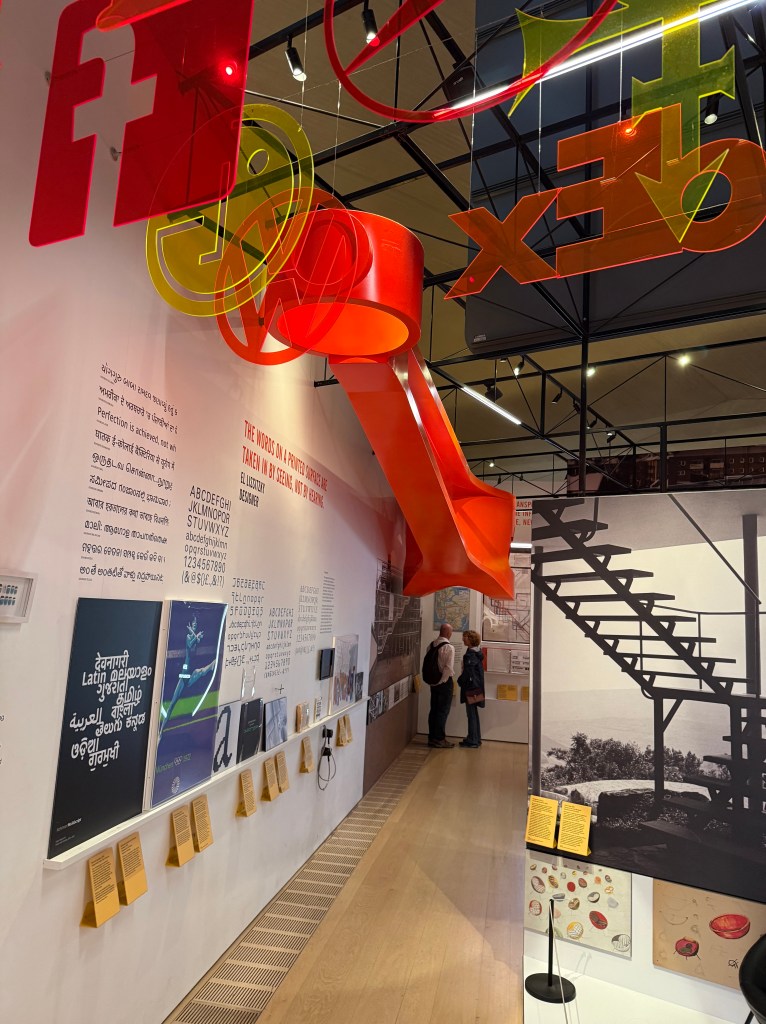
    Displayed in a bright orange colour at the entrance of the exhibition, an impressive, 8-metre-long piece hanging from the ceiling caught my attention (Fondazione Renzo Piano, n.d.). Although presented in orange here, this structure is actually white in the real building (Fondazione Renzo Piano, n.d.), and as we can observe in the images, it stands out from the rest of the structure to highlight the building’s irreverent personality. Made of cast steel, each Gerberette was cast at a foundry in Germany around 1975, then lifted by crane and bolted into place on site.

    (photo: Richard Croes Benavides, 2026)

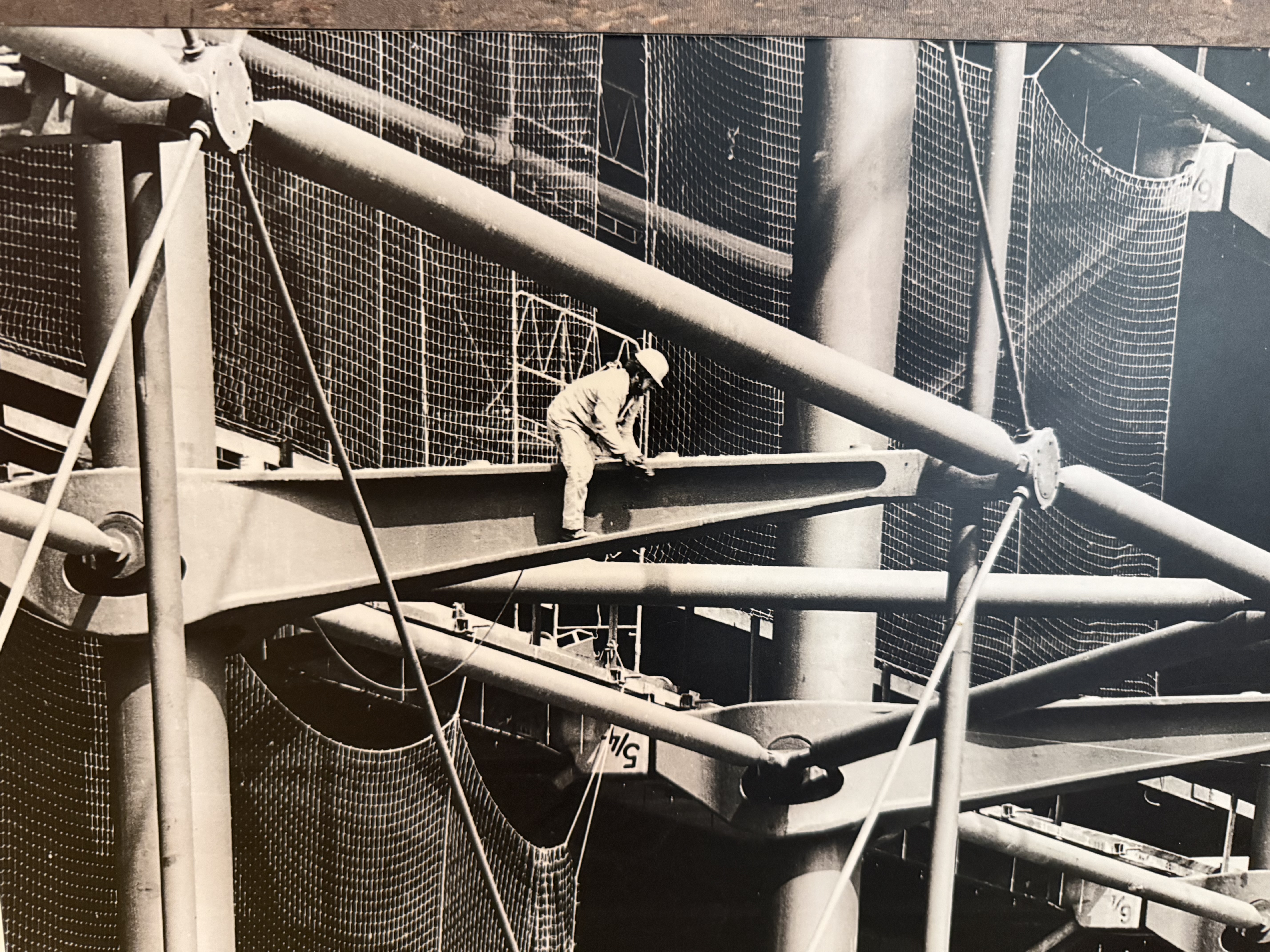
    An interesting fact is that with the construction of the Pompidou in Paris, we can start to find a pattern in Richard Rogers’s style. This Gerberette evidences his new approach of making noticeable in the design things like pipes, air conditioning ducts and, in this case, structural parts of the building, that were usually hidden, and exposing them for the public to interact with, making them an important part of its own character. This became part of his signature style, and we can see it evolve in buildings like the Lloyd’s building. This structure opened a new way of architecture (inside-out buildings), leaving an important footprint in architecture history, and it still inspires new constructions all over the world (Hopkins, 2019).

    Now this brings an interesting point, taking into consideration our class conversation about originality and authenticity — here a more personal reflection: is it possible that this iconic London building is less original than its predecessor in Paris, being the consequence of the stylistic development of a more innovative Pompidou? In my view, this is certainly the case, but at the same time, it consolidates Rogers’ authenticity by transforming it into a personal style of his. Probably the loss of originality over time, once achieved in the past, can only mean the establishment of an authentic style that works as a signature of the artist.

    The fact that high-tech movement buildings are still being designed half a century later shows how important this new way of design still is, not just in an architectural way, but also in how people interact with these frank spaces, more welcoming to everyone.

    References

    Fondazione Renzo Piano (n.d.) Centre Georges Pompidou. Available at: https://www.fondazionerenzopiano.org/en/project/centre-georges-pompidou (Accessed: 5 November 2026).

    Hopkins, O. (2019) High-tech architecture: a guide. Dezeen. Available at: https://www.dezeen.com/2019/11/04/high-tech-architecture-guide/ (Accessed: 5 November 2026).

    Renzo Piano Building Workshop (n.d.) Centre Georges Pompidou. Available at: https://www.rpbw.com/project/centre-georges-pompidou (Accessed: 5 November 2026).

    my options…

  • Walk in the park

    Walk in the park

    Photo narrative exercise 2

    Walpole Park

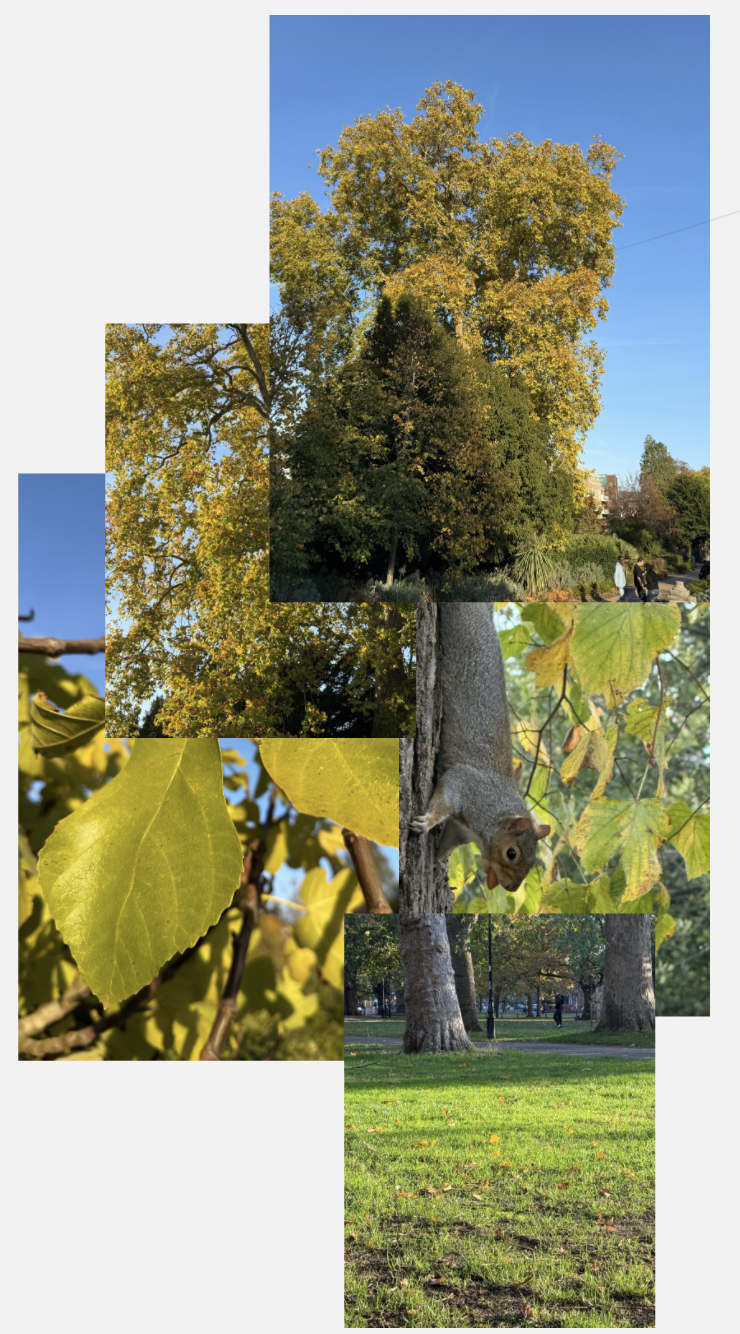
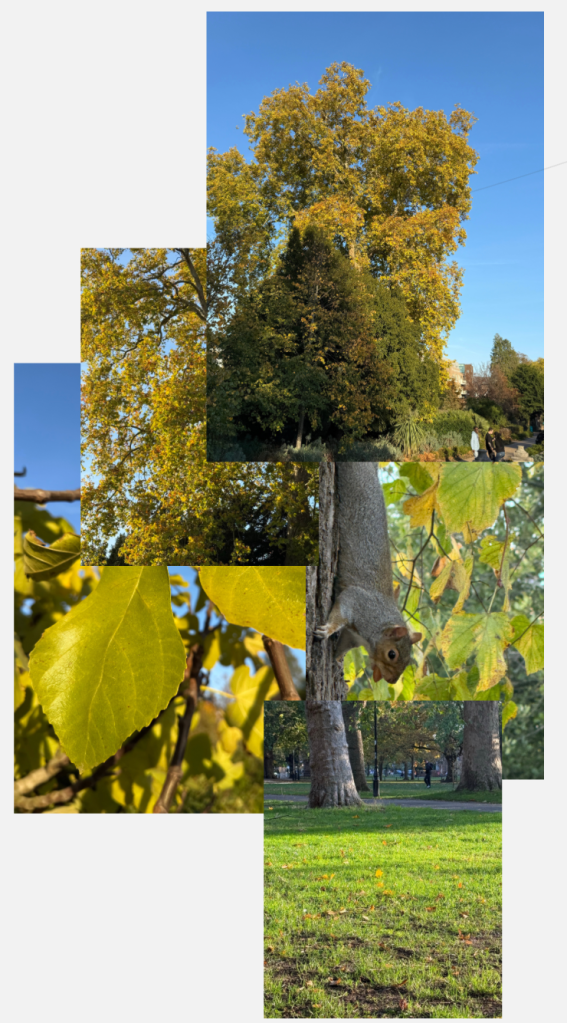
    I tried to make a funny collage composition with pictures we took on a walk on the park as a photo narrative assignment exercise for contextual studies. I played in this case only with pictures on scale of green-yellow which are my favourite colours.

  • Narrowboats in London

    Narrowboats in London

    Preparation of Idea…

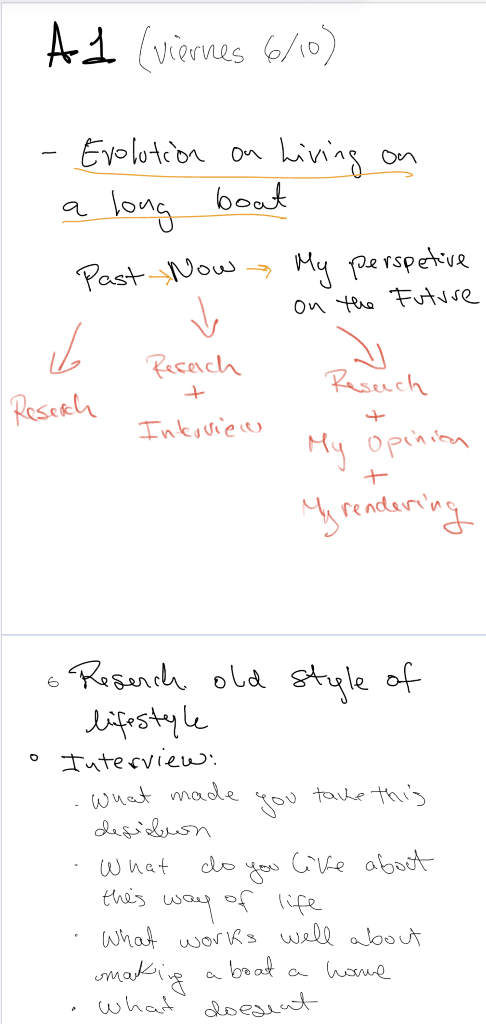
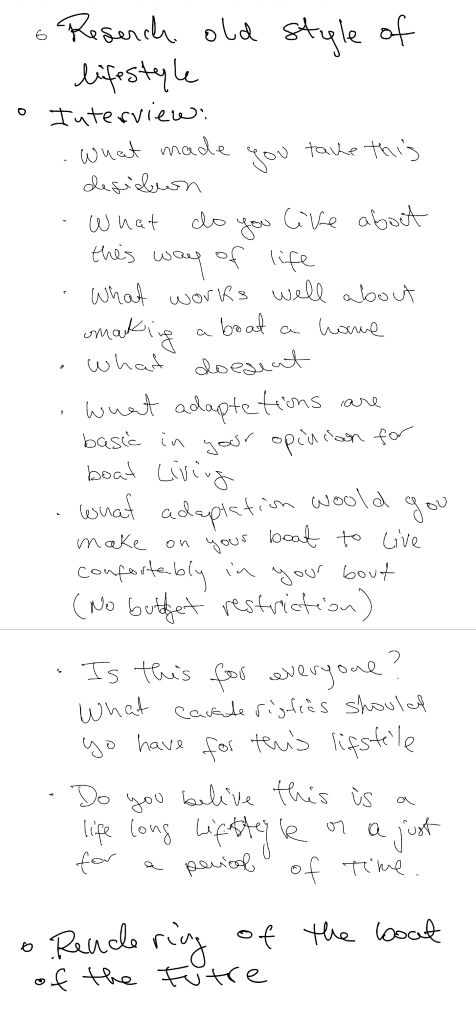
    this are my basic ideas about what to present for A1. ill check the possibilities about turning the interview into a Study. I could prepare survey to a group of people that live permanently in long boats around London. come up with a strategy to prepare the study, how to reach my target audience, prepare the wright kind of questions (check with Daniel and Jo).

  • Creative Sectors presentation’s self-assessment

    Creative Sectors presentation’s self-assessment

    This week we presented our first assignment at university — in this case, a group presentation for Creative Sectors. I’m sure grading will take this into consideration, so I will try to be very honest in my own self-assessment, in order to be clear about which points I should work harder on in the future to obtain better results. One of my main objectives for this foundation year is to drastically improve my communication skills, especially oral presentations.

    In general, I must say I am satisfied with my work. Some aspects that worried me before the presentation — audibility, my pronunciation in English, the energy level throughout, engagement with the audience and body language, which are usually points I struggle with — I believe came out well.

    There is, though, definitely room for improvement in several aspects:

    The pace was faster than I would’ve liked. I felt that the 2 minutes were too little to get a message with real substance across, so I might have pushed to fit too much information into my presentation. And even if that’s true — that 2 minutes is insufficient — I still need to adjust the content to the requirements of the challenge, without affecting the fluency or any other aspect of a good presentation.

    I must take into consideration, for future presentations, that my dyslexia and ADHD have a strong impact on my ability to memorise, which, unfortunately, in presentations this short, is a required skill, since there is no time for improvisation, even if I feel comfortable with my knowledge on the subject being presented.

    Three days of intense practice might not have been enough in my case, because I was hitting my target of presenting close to my 2-minute objective only about 50% of the time, and closer to 3 minutes the other 50%. A mistake I made was needing to keep tweaking my presentation right up until I realised it was too late to memorise it properly. Next time, three days will probably be sufficient if I leave the last full day to practise it without any more changes.

    Although I know nervousness is common among most presenters, I must find a way to bring its levels down, since it has a big influence on my result. Having confidence in the preparation of my presentation is definitely essential to maintaining calm ,but past presentations where nervousness led to a bad result haunt me right up until the moment I start — and even if it’s going well, the smallest mistake or change to my script can trigger a kind of crisis mode in my head that ends up destroying the presentation. For this, I have already signed up for help at UWL’s Study Support. Hopefully, having more positive experiences like this one can help lower the uncertainty, and as a consequence, my nerves, at the time of an oral presentation.

    When I was handed the self-assessment sheet right after our presentation, I realised that, because of this nervousness, I wasn’t able to recall my presentation in many ways — I’m not sure if I failed to talk about all the points I expected to, or if there were moments where I lost my fluency. One strategy that occurred to me right at the moment of this self-assessment exercise is to ask someone to record me while presenting. This will allow me to make a better assessment of the characteristics I could improve on in the future.

    Now, regarding our group work, I think each one of us is responsible for making their own personal assessment — I wouldn’t feel it’s my place to criticise each person’s work. But having said that, I believe that, since I took a leader role to try to unify the content, I failed to make sure the final content was more coherent. I think I was clear in previous meetings, giving clear suggestions on how we could achieve this, and I managed to include everyone’s ideas on what and how we would do as a team — but I made the mistake of assuming everyone would do what was expected of them. I should have kept track of everyone’s progress, and made sure, as a leader, that the result was more coherent.

    I believe this first assignment, as well as this self-assessment exercise, has been very useful in learning and correcting many things about my personal presentation skills, as well as my team leadership abilities. I hope to put these changes into practice in the coming evaluations.
  • Skills Recognition

    Skills Recognition

    Today’s session was very important work for enhancing our self-awareness… to be able to recognise our type of personality, strengths and weaknesses. We also learned to recognise our transferable and technical skills.
    My top 3 transferable skills:

    • Leadership
    • Planning
    • Time management

    My top 3 technical skills:

    • Drawing
    • Digital rendering tools management
    • Good spatial awareness

    What did I learn about myself: Logician – critical thinking and evaluation of viability.

    It was a veritably interesting session. I have learned to differentiate between technical and transferable skills and recognise what are the top ones we can perceive in ourselves.

    At the same time, I learned my personality type, which is considered INTP-Logician, which has made me think about these characteristics — the ones I like and the ones I am less comfortable with. Even though I have always known these aspects of my personality, the truth is that it is interesting to see that with a simple test they can be easily recognised. At the same time, it’s important to see them all together and see how they relate to each other. Some of these points I am very proud of, some I have been working on for years, and some are still waiting to be improved.

    An interesting thing is that even though this describes your personality, I believe it is subject to improvement along the way. In my case, I believe my introverted natural state has very much changed over the years. Am I more of an extrovert now, or am I just masking my introverted side? Whatever the case is, I do feel far more comfortable in social environments than in the past, so it is definitely a positive transformation for me.

    At the moment of this test, I think I responded with my most primitive personality; nevertheless, I wonder what personality would come out if my answers were more aligned with how I feel and interact now. Would I be cheating? Somehow hiding my real personality? Or is it a development of personality itself?

    I believe our lives are an opportunity for growth and development in absolutely every aspect we want, and these are no exception. We have the great opportunity to leave this world having become a better version of ourselves than when we arrived into it, and everything discussed today is a great way to discover and transform from our personalities and skills.